The Case for Leaving Saturday Afternoon Open
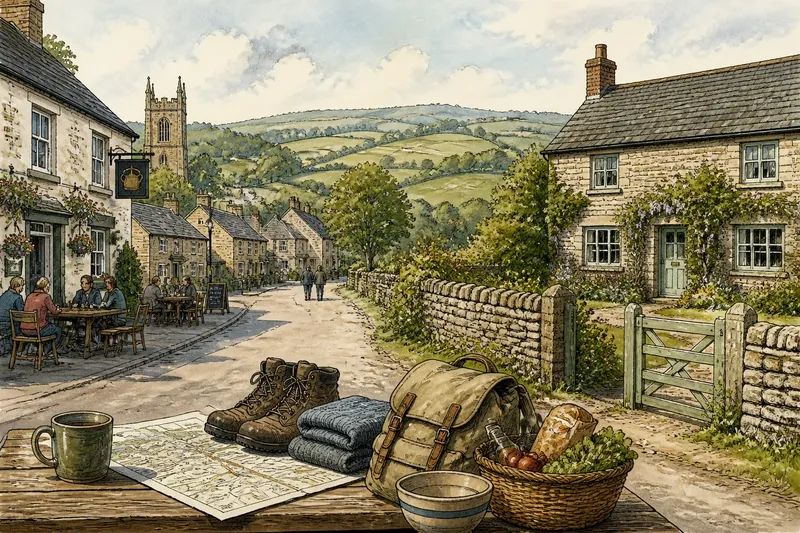
Leaving Saturday afternoon open on a rural weekend break gives you room to follow local discoveries, linger over lunch and choose what suits your mood.
The common mistake on a rural weekend break is treating every free hour as a problem to solve. That can turn a Saturday afternoon into a string of errands, leaving little room for the small, unplanned encounters that make a place feel distinct.
Leaving Saturday afternoon open is not simply a way to slow down. It gives you room to follow a local lead, spend longer somewhere than expected or make a useful discovery for the rest of your stay. The question is not what you might do instead, but how to make that open time responsive rather than empty.
What can an open afternoon help you discover?
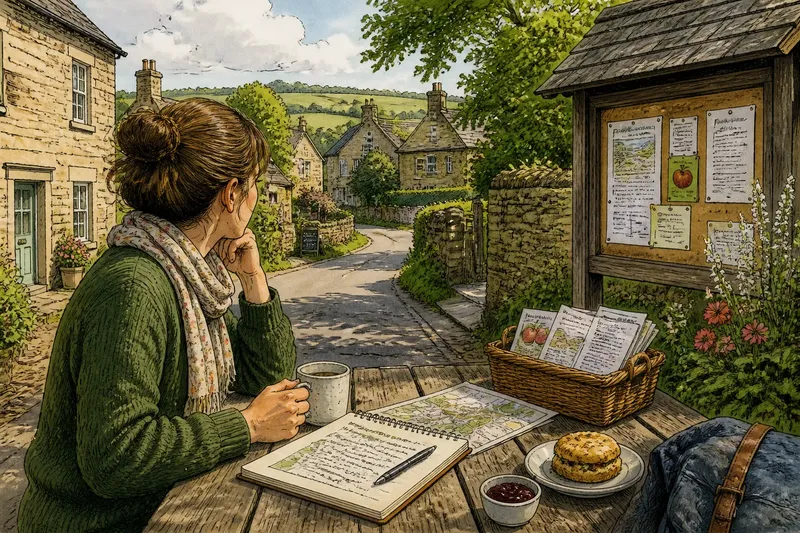
Use the morning to gather clues about the place. A noticeboard outside the village hall may mention a local event; a bookseller might point you towards a nearby historic site; a farm shop could have a map of local producers. These details give the afternoon a sense of direction without locking it to a timetable.
It helps to think of the afternoon like a blank page in a notebook: not an instruction to fill every line, but space to record what catches your attention. Follow one promising lead, or keep the time for a conversation, a longer lunch or a quiet pause.
Not every suggestion will suit your plans. Check current opening details and access before travelling, particularly if the destination is small, seasonal or reached by limited public transport.
How can you make an unplanned outing feel purposeful?
Choose a simple question to guide your wander, such as where local food comes from or how the village has changed. That gives you a thread to follow without requiring a formal tour. You might look for a historic bridge, a community garden or a producer whose goods appeared at breakfast.
Say you are staying in a fictional village called Aldercombe, and at breakfast you notice a leaflet for a small cider producer outside the village. You check its current visiting arrangements, find that it welcomes visitors that afternoon, and ask your host whether the lane is walkable. If the route and opening details suit you, you go; if not, you browse the village’s local history display instead. Either way, the afternoon has a subject, and you have learned something specific about the area.
This approach works best when the question is modest. Trying to “see everything” can make even a short outing feel like a research task; one place, person or local detail is plenty.
What if the local lead does not work out?
Keep a few alternatives that reveal different sides of the area, rather than a list of interchangeable attractions. One could involve local history, another food, and another a quiet indoor stop. Check which options are genuinely accessible before relying on them.
- Notice: The village museum lists visiting hours that include your free afternoon. If it is open and suits your interests, visit; then use its displays to shape a later walk. If not, ask a local shop about another source of village history.
- Notice: A farm shop has local produce but no clear visitor information. If it confirms it is open to visitors, stop in; then ask what is grown nearby. If not, buy supplies at a shop that clearly serves the public.
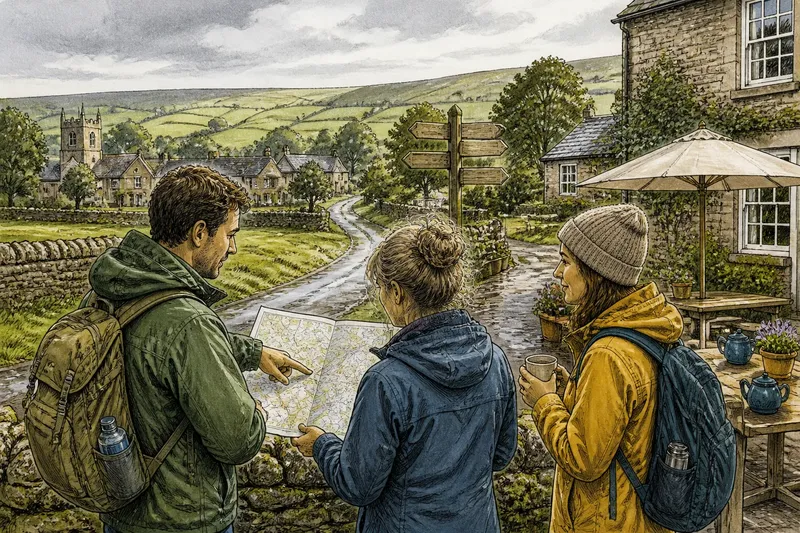
- Notice: A public footpath appears on a local map, but recent conditions are unclear. If access is confirmed and the route suits your footwear, take it; then look for the landscape features shown on the map. If not, choose an accessible route or stay in the village.
- Notice: A small gallery’s listed hours conflict with information on its door. If staff confirm it is open, go in; then ask whether any work relates to the area. If not, use the time for a nearby café or another open venue.
- Notice: A local event is advertised, but its location or admission details are missing. If the organiser confirms the practical details, attend; then leave time to explore the surrounding area. If not, do not travel on the strength of an incomplete notice.
- Notice: The weather makes an outdoor stop uncomfortable. If a local indoor venue is open and accessible, switch to it; then use the visit to learn about the area. If not, return to your accommodation or choose another comfortable option.
These are prompts, not obligations. If none of the leads feels worthwhile, a pleasant afternoon at your accommodation is still a valid choice.
How can an unplanned afternoon make the rest of the weekend richer?
Local discoveries can improve later decisions. A shopkeeper might explain which nearby lane is quiet, a café menu may reveal a regional speciality, or a museum display may put an old building in context. You can use what you learn to choose what to revisit, rather than collecting stops for their own sake.
For instance, if a local tells you that a nearby village holds a regular produce market, check its current schedule before building it into another day. If it does not fit, you still have a useful lead for a future visit or a conversation over dinner.
Keep a note of names, opening details and directions while they are fresh. A few accurate details are more useful than a crowded list of places you never had time to understand.
What should you do with an unbooked afternoon?
Should I ask locals for suggestions?
Yes, if the moment is suitable and the person has time to answer. Ask a specific question, such as where to find local history or which nearby place is open that afternoon, then check any practical details before setting off.
Is a local event worth changing plans for?
It may be, if its timing, location and access fit your day. Confirm the details with the organiser or venue rather than relying on an old notice.
What if I would rather stay in?
Stay in. Rest, read or enjoy the accommodation without treating the choice as a missed opportunity; an open afternoon is useful precisely because it leaves that decision to you.
How do I avoid turning a wander into another itinerary?
Pick one lead or one question and let the visit end when you have had enough. If another detail catches your interest, follow it only if the time and practical arrangements suit.
Leaving Saturday afternoon open on a rural weekend break can bring the place into sharper focus through a small detail, a useful conversation or a change of scene. Keep notes of what you learn, and you will have more than a pleasant afternoon: you will have a clearer sense of what makes that particular corner of the countryside worth remembering.